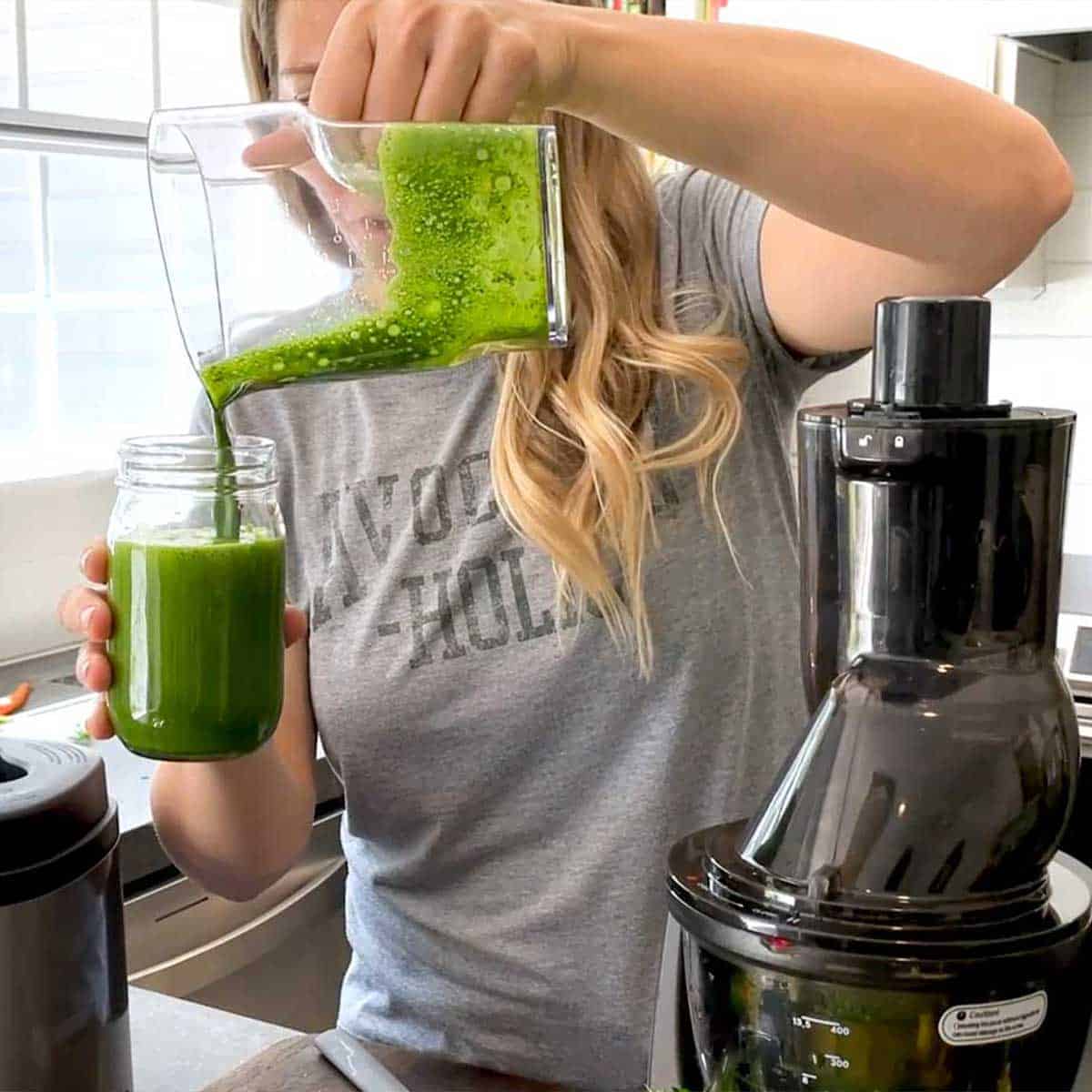
Juicer vs Blender: Maximize Green Juice Benefits & Fiber
In the vibrant world of wellness, few trends have maintained their staying power quite like the healthy green juice. From bustling city streets to serene yoga studios, these emerald elixirs promise a potent dose of nutrition, offering an effortless way to infuse your diet with essential vitamins, minerals, and phytonutrients. But beyond the allure of quick health, a crucial question arises for aspiring home juicers: Should you reach for a juicer or a blender to craft your perfect glass? The answer largely hinges on one vital component often overlooked in the quest for liquid nutrition: fiber.
This comprehensive guide delves into the core debate between juicers and blenders, exploring how each method impacts the nutritional profile of your green drink, particularly its fiber content. We'll uncover the undeniable benefits of incorporating healthy green juice into your routine and equip you with practical tips to create delicious, nutrient-dense concoctions that truly maximize your well-being.
The Allure of Healthy Green Juice: More Than Just a Trend
The "health halo" surrounding green juice isn't just hype; it's rooted in a wealth of scientific benefits. Often hailed as a "living broth" of micronutrients, a well-crafted green juice delivers a concentrated dose of goodness that can invigorate your body and mind. Imagine starting your day by flooding your system with an immediate burst of:
- Vitamins and Minerals: Dark leafy greens like kale are powerhouses of Vitamin A (a potent antioxidant), Vitamin C (immune support), and essential minerals like potassium. Celery provides a wealth of vitamins and trace minerals, while ginger offers its unique anti-inflammatory properties.
- Phytonutrients and Antioxidants: These plant compounds combat oxidative stress, helping to protect your cells from damage and supporting overall cellular health.
- Enzymes and Chlorophyll: Fresh, raw produce is rich in enzymes that aid digestion, while chlorophyll, the pigment that gives plants their green color, is often praised for its detoxifying capabilities and blood-building properties.
- Natural Energy Boost: Unlike caffeinated drinks, green juice provides a sustained energy lift without the jitters or crash, thanks to its nutrient density and hydrating properties.
For many, especially those who struggle to consume enough raw vegetables daily, a healthy green juice acts as an invaluable bridge. It's an easy, palatable way to incorporate a significant amount of greens into your diet, kickstarting digestion and setting a positive tone for the day. Whether you're looking to detox after a holiday indulgence or simply seeking a morning pick-me-up, the inherent benefits are clear.
Juicer vs. Blender: Unpacking the Fiber Debate
This is where the choice of appliance becomes paramount, directly impacting the nutritional profile of your green beverage. Both juicers and blenders have their merits, but their fundamental difference lies in how they handle fiber.
The Juicer's Approach: Concentration Without Fiber
A juicer works by extracting liquid from fruits and vegetables, separating the pulp (which contains most of the fiber) from the juice. This process yields a thin, smooth liquid that is incredibly nutrient-dense. The immediate advantage of juicing is the rapid absorption of vitamins, minerals, and enzymes into the bloodstream because the digestive system doesn't need to break down any fiber.
- Pros of Juicing:
- Highly concentrated nutrient delivery.
- Easy on the digestive system, as fiber isn't present.
- Smooth, pulp-free texture preferred by some.
- Can pack in more produce volume in one sitting.
- Cons of Juicing:
- Removes vital dietary fiber, reducing satiety.
- Fiber removal can lead to a quicker blood sugar spike, especially with high-fruit recipes.
- Often results in more wasted pulp.
- Can be a more expensive initial investment.
The Blender's Advantage: Embracing Whole-Food Fiber
In contrast, a blender pulverizes the entire fruit and vegetable, including the skin, seeds, and pulp, creating a thicker, often frothy beverage. This means that all the dietary fiber present in your produce is retained in your drink. As registered dietitian Diana Sugiuchi emphasizes, "One of the key benefits of veggies is their fiber content."
Why is this fiber so crucial?
- Enhanced Satiety: Fiber adds bulk to your drink, helping you feel fuller for longer. This is vital for managing appetite and can prevent overeating later in the day, making your healthy green juice a more satisfying snack or meal component.
- Gut Health Powerhouse: Dietary fiber acts as a prebiotic, feeding the beneficial bacteria in your gut. These "good bacteria" play a significant role in digestive health, nutrient absorption, and even have far-reaching effects on our physical and mental well-being.
- Blood Sugar Regulation: The presence of fiber slows down the absorption of sugars into the bloodstream. This means that even with fruit components, a blended green juice causes a more gradual rise in blood glucose compared to a juiced one, offering a more stable energy release.
- Digestive Regularity: Fiber is essential for maintaining healthy bowel movements and preventing constipation.
For these reasons, many health professionals, including Sugiuchi, advocate for blending over juicing if the primary goal is to maximize the benefits of whole vegetables. A blended green juice essentially becomes a "smoothie" and offers a complete, whole-food approach to liquid nutrition.
Crafting Your Perfect Healthy Green Juice: Ingredients & Balance
Whether you choose to juice or blend, the quality and combination of your ingredients are key to creating a delicious and truly healthy green juice. The beauty of homemade green juice is the ability to adjust flavors to your personal palate while ensuring a nutrient-packed profile. For those just starting, exploring Green Juice That Tastes Great: Beginner-Friendly Recipes can provide an excellent foundation.
Essential Ingredient Combinations:
- Leafy Greens (at least one-third of your mix): Kale, spinach, romaine, parsley, collard greens. Start with milder greens like spinach and romaine if you're new to the taste, then gradually introduce stronger flavors like kale or dandelion.
- Hydrating Vegetables (wet ingredients): Cucumber and celery are staples. Cucumber, in particular, adds volume and a neutral flavor, acting as a natural diuretic to help flush toxins. Zucchini is another excellent option.
- Flavor Enhancers & Sweeteners:
- Apples: Sweet apples are a classic choice to balance the bitterness of greens.
- Ginger: A small knob of ginger adds a spicy kick, aids digestion, and helps to cut through strong green flavors.
- Lemon/Lime: Citrus fruits provide a refreshing tartness, brightening the flavor profile, and boosting Vitamin C content. They also help to preserve the color of your juice.
- Carrots: Add natural sweetness and a different nutritional profile.
The Art of Balance and Variety:
When concocting your healthy green juice, aim for a balanced ratio of greens to fruit. While fruit is undeniably healthy, its natural sugars can add up quickly. As Sugiuchi warns, "if you're having an orange, an apple, and pineapple juice all at once, that can be an awful lot of sugar." Consider your green juice as a snack or a valuable addition to a balanced breakfast, rather than always a standalone meal, unless you're intentionally adding protein (like plant-based powder or nut butter for blended options) and healthy fats.
Moreover, rotating your green vegetables daily is a smart strategy. This ensures your body absorbs a wider spectrum of nutrients and avoids overexposure to any potential compounds or mild "toxins" that certain vegetables might contain if consumed in excessive, monotonous quantities. This rotational approach maximizes nutrient diversity and supports long-term health benefits.
Practical Tips for Maximizing Your Green Juice Experience
Making a healthy green juice at home is not only cost-effective but also gives you complete control over the ingredients, ensuring freshness and quality.
- Start Simple: Begin with recipes that combine sweet and spicy elements to make the greens more palatable. A classic combination like kale, cucumber, celery, apple, and ginger is a fantastic starting point. Adjust the apple and ginger amounts to suit your personal taste.
- Wash Thoroughly: Always wash your produce meticulously, especially organic varieties, to remove any dirt or residues.
- Drink Fresh: Green juice is best consumed immediately after preparation to retain maximum nutrient potency. If you must store it, an airtight container in the refrigerator will keep it fresh for up to 24-48 hours, but expect some nutrient degradation over time.
- Consider Organic: Opting for organic produce minimizes pesticide exposure, enhancing the overall health benefits of your juice.
- Make it a Ritual: Drinking a cup of green juice first thing in the morning, before any other meal, is an excellent way to hydrate, nourish, and energize your body for the day ahead. It signals a healthy start and sets a positive tone for your dietary choices.
Conclusion
The journey to embracing healthy green juice is a rewarding one, offering an incredible pathway to enhanced vitality and well-being. While juicers offer a concentrated shot of nutrients, the profound benefits of fiber—satiety, gut health, and blood sugar regulation—make blending a compelling choice for maximizing your green juice experience. By understanding the distinction between these methods and carefully balancing your ingredients, you can craft delicious, personalized green drinks that flood your body with essential nutrients. So, whether you opt for the silky smoothness of a juiced elixir or the hearty goodness of a blended concoction, remember that consistency and quality ingredients are your allies in unlocking the full potential of your vibrant, green creation.
